
When it comes to feeding horses, it’s easy to focus on what you feed, but just as important is how you feed. Horses were never designed to consume large, fast meals. Their entire digestive system is built for slow, steady intake over time.
Understanding this simple truth can make a major difference in your horse’s health, behaviour, and overall performance.
Horses Are Natural Grazers
In the wild, horses spend 16–18 hours a day grazing. Their bodies are adapted to a near-constant intake of forage, primarily long-stem fibre like grass and hay.
Organizations like the University of Minnesota Extension emphasize that forage should make up most of a horse’s diet because it supports proper digestion and overall gut health.
Feeding horses too quickly or in large portions disrupts this natural process.
The Problem with Fast Feeding
When horses consume hay too quickly, several issues can arise:
– Increased risk of digestive problems like colic
– Higher chance of ulcers due to excess stomach acid
– More feed waste from trampling or sorting
– Boredom and stress-related behaviours
According to the American Association of Equine Practitioners, consistent feeding routines and proper forage intake are critical in preventing many common health issues.
Why Long-Stem Fibre Matters
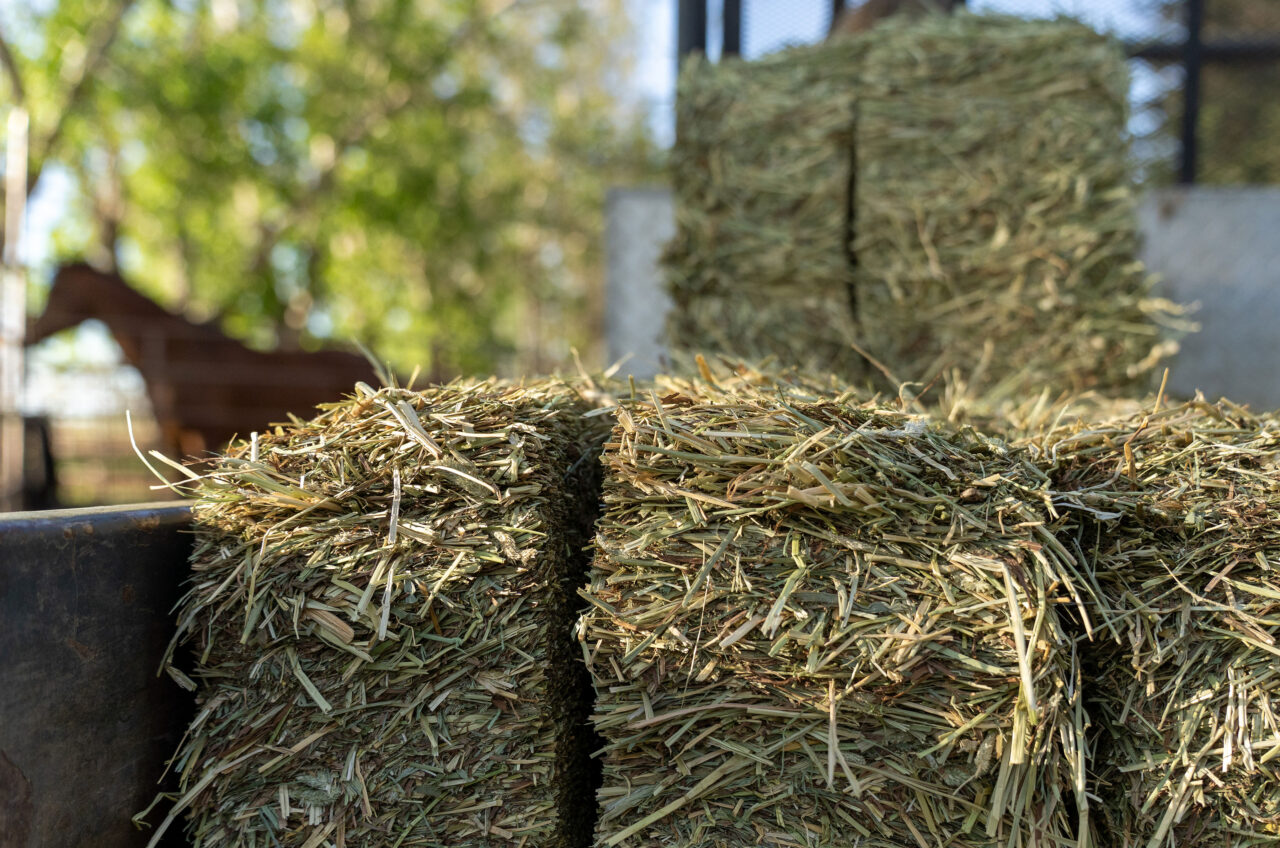
Not all feed is created equal. Horses need long-stem fibre to function properly. This type of forage:
– Encourages chewing and saliva production
– Supports hindgut fermentation
– Provides steady, natural energy
Research from Kentucky Equine Research shows that fibre digestion plays a key role in maintaining a healthy microbial balance in the horse’s gut.
Simply put, horses don’t just need fibre; they need time to process it properly.
Feeding the Way Nature Intended
This is where the feeding method matters as much as feed quality.
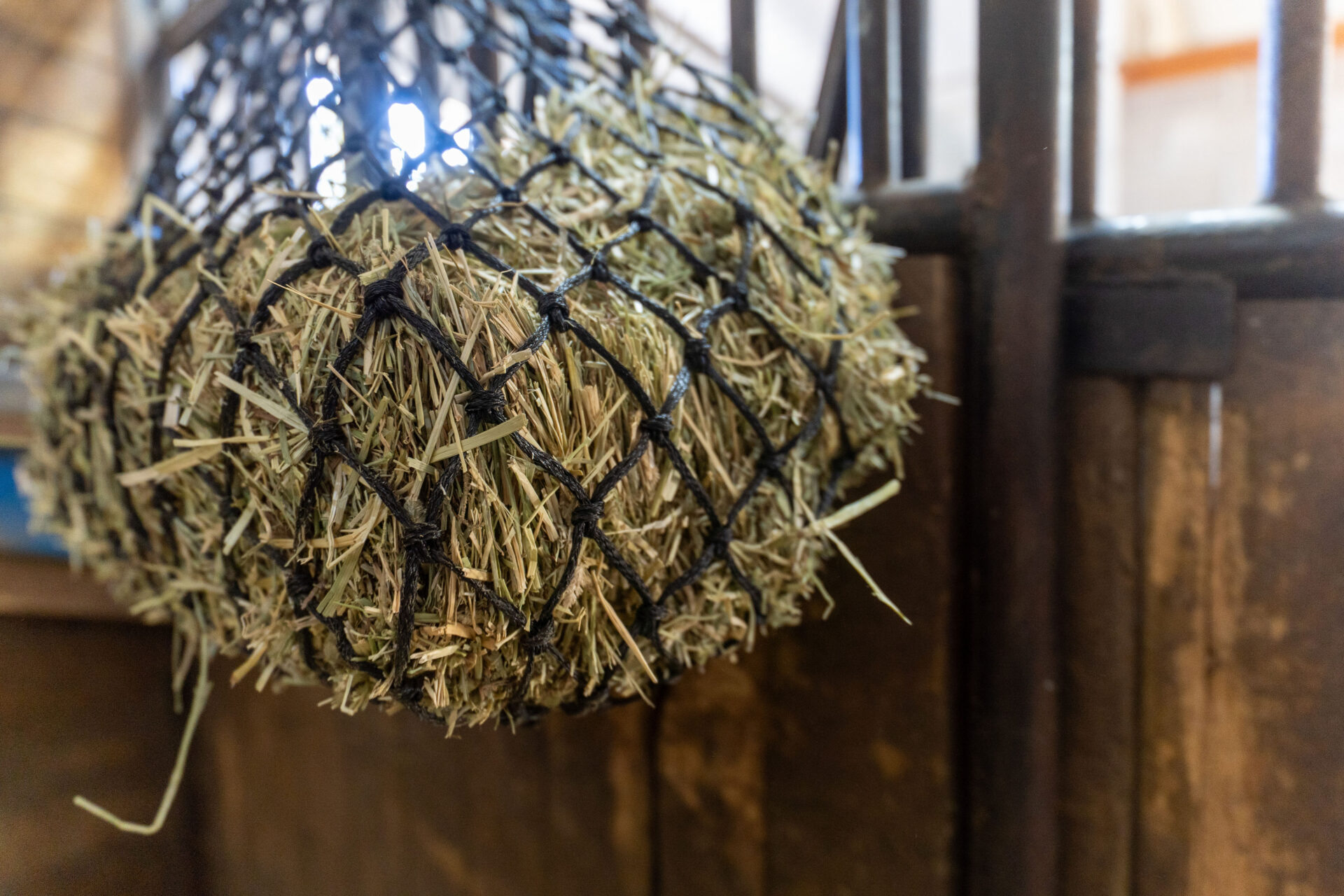
At Transfeeder, we believe horses should eat the way they were designed to: slowly, consistently, and with minimal waste. Feeding systems that control intake help:
– Extend feeding time
– Reduce stress and boredom
– Improve digestion
– Maximize hay efficiency
By slowing horses down, you’re not restricting them; you’re aligning with their natural biology.
Better Feeding, Better Outcomes
Healthy feeding habits lead to healthier horses. When horses are given the time and structure to eat properly, you’ll often see:
– Improved body condition
– Calmer behaviour
– Reduced digestive issues
– Less wasted feed
The way we feed horses today often prioritizes convenience over biology. But small changes, like slowing down intake and focusing on forage, can have a lasting impact.
At Transfeeder, our goal is simple: help horses eat the way they were meant to.